


Cancel Subscriptions - Subee
4.2327.00 Reviews
App Specs
- Version
- 1.2.35
- Updated On
- License
- Free
- Downloads
- 100,000+
- Developer
- VUNYO
- Categories
- Finance
- Platform
- Android
Screenshots

 Analysis by AppCompare
I tried Cancel Subscriptions - Subee with a simple goal: make recurring charges easier to notice before they quietly become part of the monthly routine. The useful promise here is not that every subscription can be stopped with one tap, but that a finance app can help bring subscriptions together and make the next decision clearer. If you are new to subscription tracking, that distinction matters: finding a charge, checking whether you still want it, and actually canceling it are separate steps.
What to expect from a subscription manager
Subee is a free finance app from VUNYO, with optional in-app purchases ranging from $4.99 to $99.99 per item. It has an Everyone age rating, a 4.4 average from around 4,000 ratings, and over 50,000 installs. The current version is 1.1.22, and it runs on Android 7.0 or later. Those details make it easy to judge whether it fits your device and whether you want to explore it without an upfront app price.
The first thing I would keep in mind is that a subscription manager is a review tool, not a substitute for the company that bills you. It can help you spot recurring payments and decide what to do, but the final cancellation may still involve the service’s own account settings or support route. I find that framing more useful than expecting an app to erase every charge automatically.
Subee makes most sense for someone who has several recurring services and has lost track of when they renew. It is less compelling if you only have one or two subscriptions and already check them through your bank or the services themselves. In that case, a simple note or calendar reminder may be enough, while a separate finance app adds another place to maintain.
Getting Started with Subee
So, first things first, downloading Cancel Subscriptions - Subee was a breeze. It's available on both Android and iOS, so no one’s left out here. Once I installed it, I was welcomed by a sleek, intuitive interface that made me feel like I’d been using it for years. Seriously, it's that user-friendly. After a quick setup, which involves linking your bank accounts or credit cards, you're all set to track and manage your subscriptions.
Features That Stand Out
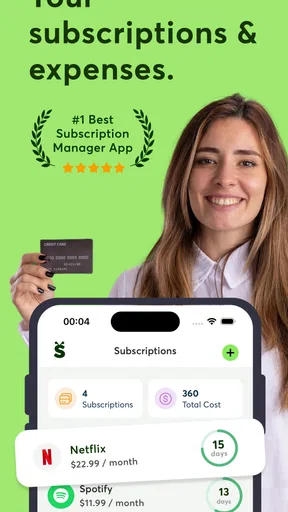
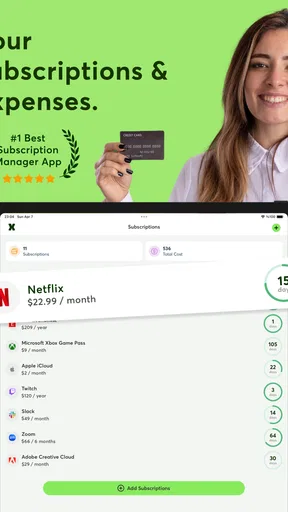
Let’s dive into the features because there’s a lot to unpack here. The app automatically scans your transactions and neatly lists all your active subscriptions. From Netflix to that random magazine you subscribed to ages ago, Subee brings them all to light.
A practical first-session approach is to treat the list as a draft to verify, not a perfect inventory. Check each item against the billing history in the service itself, especially when a charge has an unfamiliar business name or comes through a payment intermediary. A single merchant can handle billing for a service you recognize, while a subscription might appear under a name you do not immediately connect with it.
Worth Reading Before You Choose

EA SPORTS FC Mobile 26 Is a Bigger Football Game, but It Takes Time

Flipboard Shows What News Apps Must Do Beyond the Feed

Switching to Android Auto Means Rethinking Your Driving Routine

Google Calendar Makes a Crowded Week Easier to Manage

Ludo King Makes the Most of the Minutes Between Plans

Baby Panda World Brings Quick Play to Modern Phones, but Its Game Library Feels Busy
That check also helps with shared household spending. If you see a recurring charge that another family member arranged, ask who uses it before deciding it is unnecessary. A subscription can look idle from your own point of view while still being useful to someone else. I would rather spend a few minutes confirming ownership than cancel something the household expects to keep.
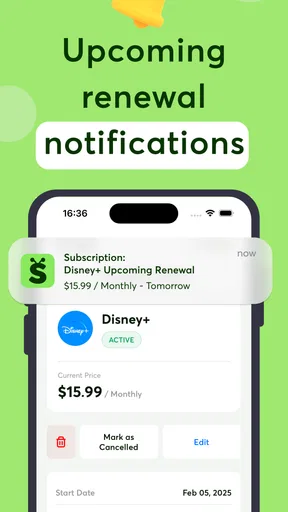
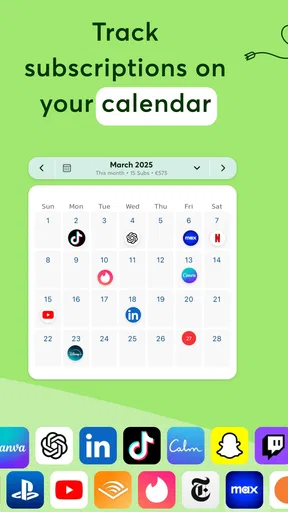
What I found super handy was the option to categorize subscriptions. You can organize them by type (like entertainment, utilities, etc.), which is great for getting a quick overview of where your money is going. Plus, you can set up alerts for upcoming payments. No more surprises when that gym membership fee suddenly hits your account!
Your first useful action: review one renewal
For a first meaningful result, I would not try to overhaul every payment at once. Pick one upcoming renewal, open the matching service account, and decide whether you still use it enough to justify the charge. If you want to keep it, the reminder still helps you plan. If you do not, use Subee’s cancellation guidance as a starting point, then confirm the service itself shows the subscription as canceled or set not to renew.
This small workflow is more dependable than treating a tracker as proof that a cancellation has gone through. Keep any confirmation from the service, and check the next billing cycle if the timing is close. That habit is especially useful for annual plans: a charge that appears infrequently can be easy to forget, and a last-minute attempt to cancel may not change a renewal that is already processing.
Canceling Subscriptions Made Easy
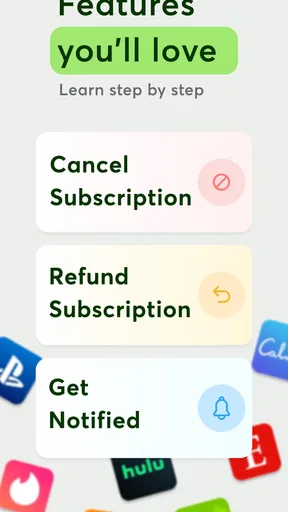
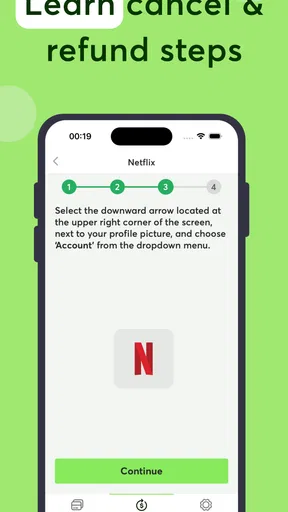
Now, here's the kicker. This app doesn’t just show you your subscriptions; it helps you cancel them. With just a few taps, you can say goodbye to those unwanted monthly expenses. For some services, it even provides a direct link or contact info to make the process smoother. It’s like having your own personal assistant whispering, "Hey, maybe you don’t need that third streaming service..."
The practical trade-off is that cancellation steps are controlled by each provider. A direct route can save time, but some services may require you to sign in, find a particular plan page, or contact the company through its own process. I would use Subee to reduce the searching, then finish the task with the provider and make sure the account status reflects the change. If a service is billed through another company, the cancellation route may be different from the one you expect.
A realistic monthly check-in
Imagine you are reviewing your spending after a busy month and notice a recurring charge you barely recognize. Rather than canceling in a rush, compare its date and amount with the service’s billing page, ask whether anyone else in your household uses it, and check whether it is a monthly or annual plan. Then decide whether to keep it, set a reminder, or follow the cancellation route. That sequence turns a vague worry about “too many subscriptions” into one concrete decision.
For a more useful routine, I would review the list when a renewal alert appears and do a broader check whenever I am already looking at monthly finances. That is less likely to become another chore than opening the app every day. It also gives you a chance to catch services that are technically active but no longer part of your regular routine, such as a trial you meant to revisit or an old membership you stopped using.
Keeping Track of Savings
What's also cool is the savings tracker. Every time you cancel a subscription, Subee shows you how much you’re saving monthly and annually. I found this feature quite motivating! Watching those numbers add up over time really makes you think twice about signing up for the next big thing.
I would treat those figures as a planning aid rather than money already back in your pocket. A canceled plan only changes future spending once the provider has processed the cancellation, and a yearly estimate is not the same as a refund for a payment already made. If you are canceling because you expect money back, check the company’s refund terms separately and follow its process; a tracker cannot replace that decision by the billing provider.
Privacy, setup, and the right level of trust
Linking a financial account can make transaction review more convenient, but it is also a meaningful choice. Before connecting anything, I would read the app’s current privacy and account-connection information, consider whether the convenience is worth sharing transaction access, and avoid linking an account just to test a feature you do not plan to use. If you would rather not connect an account, compare the app’s available manual workflow with your own comfort level before relying on it.
The original appeal of an automatic scan is that it can save you from searching through months of transactions yourself. The trade-off is that any automatically assembled list still needs a human check: a recurring payment may be missed, mislabeled, or hard to identify from the merchant name alone. That is why I would use the scan to create a shortlist, then confirm the service, renewal timing, and account owner before taking action.
Security and Privacy
In today’s world, security is a big deal, right? I was pleased to see that Subee takes this seriously. The app uses bank-level encryption to protect your data, and they’re transparent about their privacy practices. It's reassuring to know that your financial info is in safe hands.
Where the app can feel limited
While Subee is a fantastic tool, it’s not without its quirks. Some smaller or more obscure subscriptions might not show up automatically, so you might have to input them manually. Also, the app's effectiveness largely depends on how well it integrates with your bank or credit card company, so results may vary slightly.
That is an important reason not to treat a clean-looking list as proof that you have found every recurring expense. If you rely on several cards, a digital wallet, or a different account for certain services, compare those statements too. One useful approach is to make a short checklist of places where you pay from, then check each source during a monthly review. It is a little more work, but it reduces the chance of overlooking a charge that never appears in the connected account.
There can also be a difference between spotting a payment and identifying the plan behind it. A charge might be tied to a family account, a bundle, or a service you use only at certain times of year. Before canceling, check what access or linked benefits would end with it. That extra pause is not a flaw in the app; it is sensible housekeeping when one payment may cover more than one person or feature.
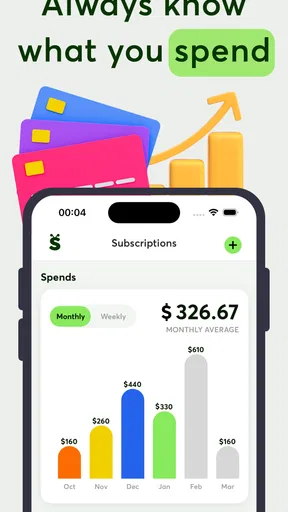
Additionally, the app offers some premium features for a fee. While most of the basic functionality is free, paying a little extra unlocks advanced features like detailed spending reports and personalized financial insights. Depending on your needs, it might be worth the investment.
Because the optional purchases span a wide price range, I would first decide what specific problem I expect a paid option to solve rather than upgrading just because it is available. If my main goal is to find and review a few recurring charges, I would start with the free experience and see whether it changes my routine. Someone who wants more detailed financial reporting may judge the value differently, but should weigh the purchase against how often they will actually use those tools.
Who should use it, and who may prefer another route
I think Subee is best for people who have enough recurring payments to make a central overview worthwhile, especially if renewals are scattered across different services and easy to forget. It can also help someone preparing a household budget: categories and reminders create a prompt to discuss which services are still being used, rather than relying on memory during a busy week.
It is not the right choice for everyone. If you are uncomfortable connecting financial accounts, prefer to keep all spending information inside your bank’s own app, or have only a couple of predictable subscriptions, a spreadsheet, calendar alert, or direct review of provider accounts may suit you better. Those options take more manual effort, but they keep the process simple and avoid adding another financial tool.
Compared with checking each provider separately, Subee’s appeal is the chance to see recurring activity in one place and move from discovery to a cancellation route without starting every search from scratch. Compared with a bank’s transaction history, a dedicated tracker is more focused on subscription decisions; a bank remains useful for verifying the actual charge and payment timing. I would use the two together when a charge is unclear, rather than treating either screen as the whole story.
A Few Things to Keep in Mind
While Subee is a fantastic tool, it’s not without its quirks. Some smaller or more obscure subscriptions might not show up automatically, so you might have to input them manually. Also, the app's effectiveness largely depends on how well it integrates with your bank or credit card company, so results may vary slightly.
Additionally, the app offers some premium features for a fee. While most of the basic functionality is free, paying a little extra unlocks advanced features like detailed spending reports and personalized financial insights. Depending on your needs, it might be worth the investment.
Final Thoughts
All in all, Cancel Subscriptions - Subee is a game-changer for anyone looking to take control of their subscription spending. It's like having a financial advisor in your pocket, helping you make smarter decisions and save money without breaking a sweat. If you're tired of those pesky monthly charges sneaking up on you, give Subee a try. Who knows? You might end up with some extra cash in your pocket for that next adventure or rainy day fund.
My practical recommendation is to install it with one specific task in mind: identify a recurring charge, verify who owns it, and either keep it deliberately or follow the provider’s cancellation steps. That gives you a useful first result without turning subscription cleanup into a weekend project. If the app’s scan and reminders fit your habits, it can become a handy checkpoint; if they do not, you can still take the same careful approach through your bank statements and service accounts.
Pros
- Easy subscription management interface.
- Automatic renewal reminders.
- Supports multiple accounts.
- Simple cancellation process.
- Real-time subscription tracking.
Cons
- Limited free trial features.
- No integration with bank apps.
- Occasional sync delays.
- Ads in free version.
- Limited customer support hours.
FAQs for Cancel Subscriptions - Subee
What is Cancel Subscriptions - Subee and how does it work?
Cancel Subscriptions - Subee is a user-friendly app designed to help you manage and cancel unwanted subscriptions easily. Once installed, it scans your active subscriptions and provides a straightforward interface to discontinue any service you no longer need. It’s a handy tool to keep your expenses in check.
Is Cancel Subscriptions - Subee safe to use with my personal information?
Yes, Cancel Subscriptions - Subee prioritizes user privacy and data security. The app employs advanced encryption techniques to ensure your personal information remains confidential and secure. It only accesses necessary subscription details to assist you in managing your accounts effectively.
Does Cancel Subscriptions - Subee work with all types of subscriptions?
Cancel Subscriptions - Subee supports a wide range of subscription services, including popular streaming, fitness, and productivity apps. While it covers most major services, compatibility may vary with lesser-known or niche subscriptions. It’s always a good idea to check their supported list before downloading.
Are there any costs associated with using Cancel Subscriptions - Subee?
The app offers a free version with basic features, allowing users to manage a limited number of subscriptions. For more extensive management and additional features, Subee provides a premium version through a subscription model. This ensures users have flexible options based on their needs.
How user-friendly is the Cancel Subscriptions - Subee interface for beginners?
Cancel Subscriptions - Subee is designed with simplicity in mind, making it accessible for users of all tech proficiency levels. The intuitive layout guides you through the process of managing subscriptions effortlessly. Detailed instructions and customer support are available to assist if any issues arise.


